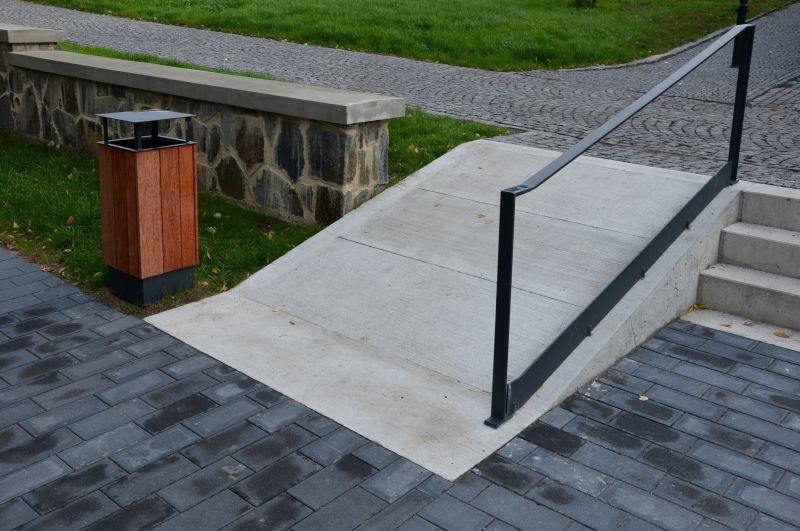
Concrete Ramp Installation in Denver, CO
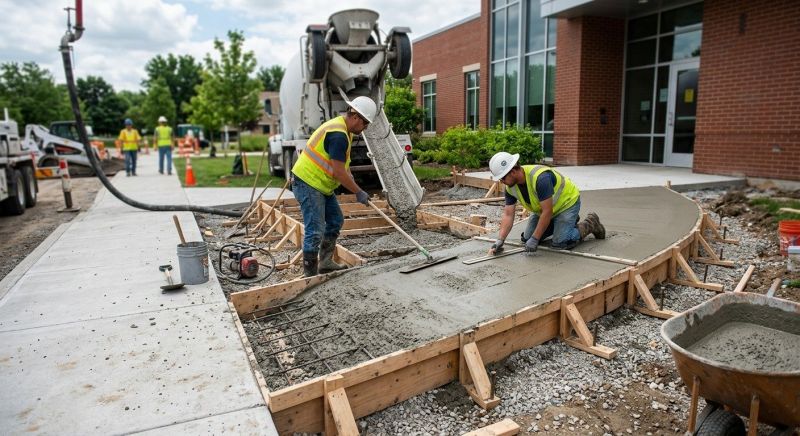
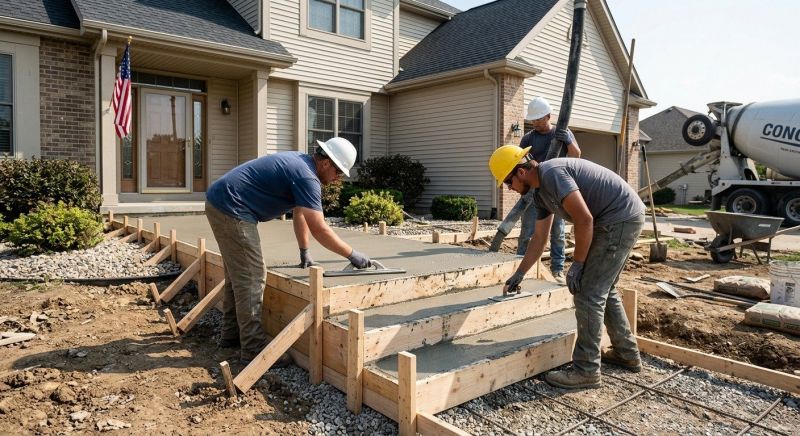
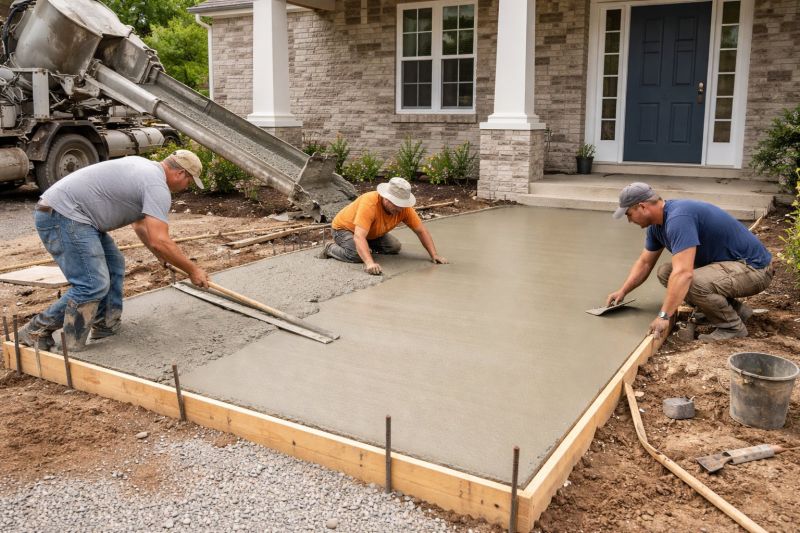
Concrete ramp installation services provide a durable and accessible solution for property owners looking to improve entryways, driveways, or pathways. These ramps are ideal for creating smooth transitions between different levels of a property, making them suitable for wheelchair access, moving heavy equipment, or simply enhancing curb appeal. Projects can range from small residential entries to larger commercial or public spaces, ensuring safe and convenient access for all users. Homeowners often seek information on the materials used, the design options available, and how the installation process might impact their property during construction.
Before requesting concrete ramp installation, property owners typically want to understand the scope of work, including the necessary site preparation and any potential disruptions. It’s also important to consider the size and slope of the ramp to meet accessibility needs or aesthetic preferences. Clarifying the durability and maintenance requirements of concrete ramps can help ensure long-lasting performance. Proper planning and clear communication about the project’s details can help achieve an installation that aligns with the property’s functional and visual goals.
Many property owners in Denver, CO look into Concrete Ramp Installation for repairs, replacements, upgrades, and appearance-related improvements.
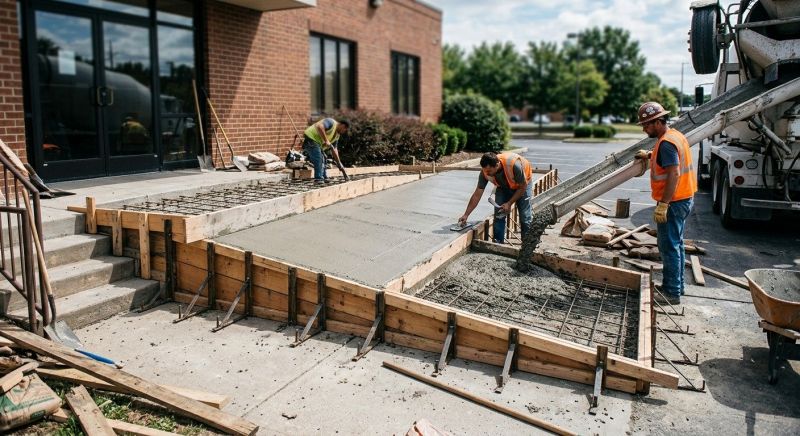
Accessibility Improvements
Concrete ramps provide safe and easy access for wheelchairs, strollers, and mobility devices.
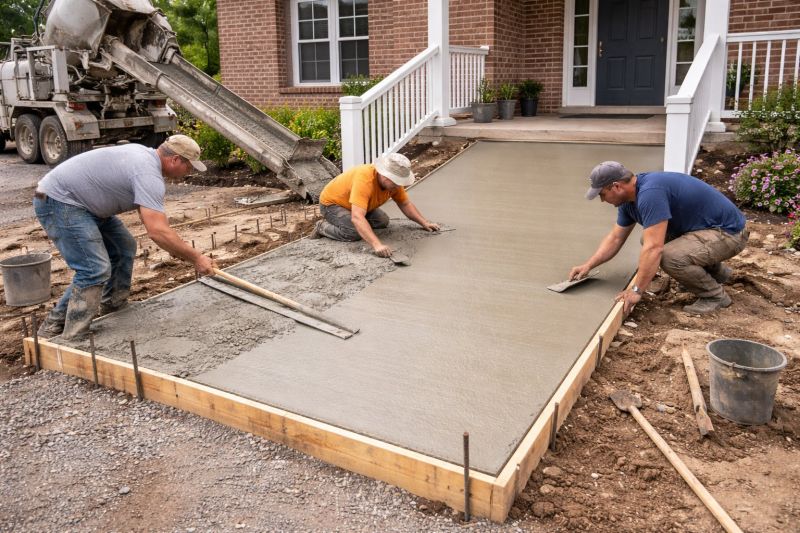
Property Enhancement
Installing a concrete ramp can improve the functionality and curb appeal of residential and commercial properties in denver.
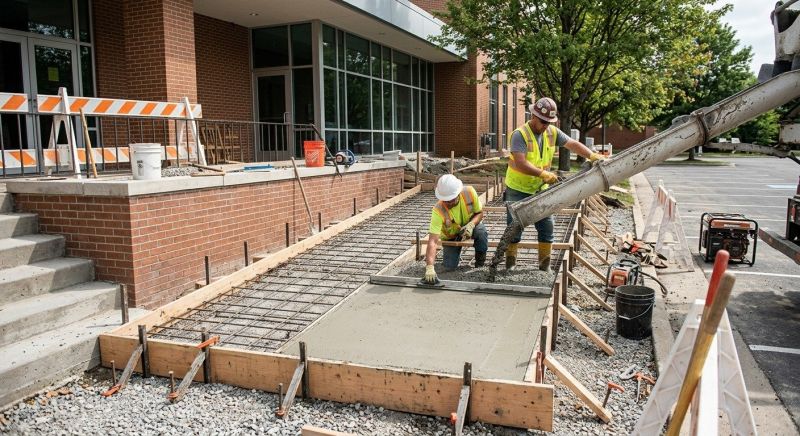
Durable Construction
Concrete ramps are designed to withstand heavy use and harsh weather conditions common in colorado.
Concrete Ramp Installation in Denver, CO

Concrete ramp installation services provide a durable and accessible solution for property owners looking to improve entryways, driveways, or pathways. These ramps are ideal for creating smooth transitions between different levels of a property, making them suitable for wheelchair access, moving heavy equipment, or simply enhancing curb appeal. Projects can range from small residential entries to larger commercial or public spaces, ensuring safe and convenient access for all users. Homeowners often seek information on the materials used, the design options available, and how the installation process might impact their property during construction.
Before requesting concrete ramp installation, property owners typically want to understand the scope of work, including the necessary site preparation and any potential disruptions. It’s also important to consider the size and slope of the ramp to meet accessibility needs or aesthetic preferences. Clarifying the durability and maintenance requirements of concrete ramps can help ensure long-lasting performance. Proper planning and clear communication about the project’s details can help achieve an installation that aligns with the property’s functional and visual goals.
Many property owners in Denver, CO look into Concrete Ramp Installation for repairs, replacements, upgrades, and appearance-related improvements.
Common Concrete Ramp Installation Jobs
Residential Driveways - concrete ramps improve accessibility for garages and parking areas.
Business Entrances - durable concrete ramps provide safe access for customers and employees.
Wheelchair Accessibility - custom concrete ramps ensure compliance and ease of movement.
Loading Zones - concrete ramps facilitate smooth loading and unloading for commercial properties.
Landscape Transitions - concrete ramps create seamless transitions between different yard levels.
Patio and Deck Access - concrete ramps provide convenient entry points for outdoor living spaces.
Concrete Ramp Installation Questions
What types of projects require a concrete ramp? Concrete ramps are commonly used for wheelchair access, loading docks, driveways, and pathways that need a smooth, durable surface for easy movement.
How thick should a concrete ramp be? The typical thickness for residential ramps is around 4 to 6 inches, depending on the load requirements and design specifications.
Are there specific slope requirements for a concrete ramp? Yes, ramps generally should have a slope no steeper than 1:12 to ensure safe and accessible use for all users.
What should property owners consider before installing a concrete ramp? It's important to evaluate the location, intended use, and any local building codes or accessibility standards that may apply.
Request Concrete Ramp Installation in Denver, CO
Use the quote form on this page to share the basics of your project and request more information for the type of work you need.